
Taste of Tunisia Featured in Mediterranea: Celebrating Family Heritage Through Food
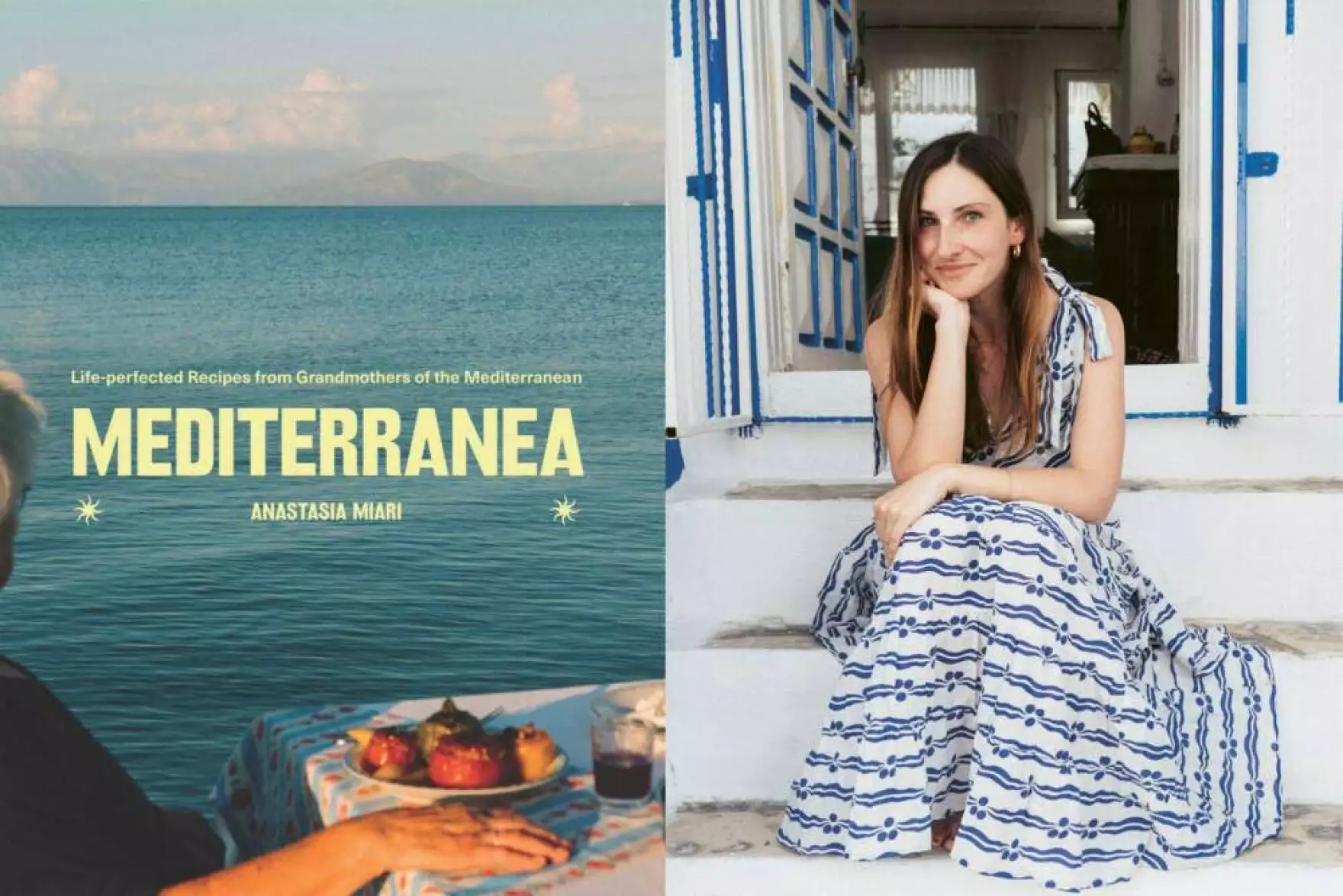
Sawa Taste of Tunisia is proud to be featured in the Mediterranea: Life-Perfected Recipes from Grandmothers of the Mediterranean, the latest book by food writer and photographer Anastasia Miari. Bringing together family recipes and personal stories from across the Mediterranean, the book is a tribute to the women who have preserved culinary traditions and passed them down through generations.
Author Anastasia Miari is an award-winning Greek-British food and travel writer, photographer, and founder of Matriarch Eats, an award-winning storytelling project and platform dedicated to preserving cross-generational food culture. Through immersive interviews, photography, and cookbooks, the project documents time-perfected recipes and life memories directly from grandmothers across the globe.
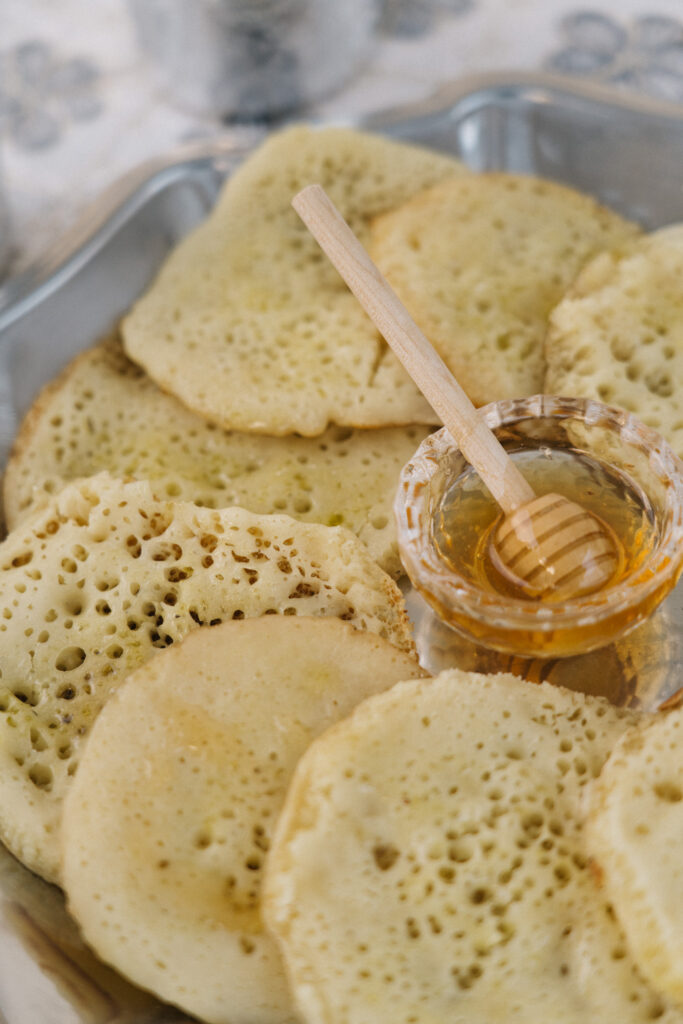
Baghrir Recipe from Mediterranean book presented by Sawa Taste of Tunisia cofounder Lamia Temimi
For Sawa co-founder Lamia Temimi, contributing to the project was an opportunity to celebrate a different branch of her own family heritage. After helping tell the story of Cap Bon’s rich culinary traditions through the region’s World Region of Gastronomy 2028 candidatancy, she turned to her father’s Algerian roots to share a cherished family recipe: Ghareif, also known as Baghrir, the famous « thousand-hole pancakes. »
Soft, light and traditionally served with butter and honey, Baghrir is a staple across North Africa and a symbol of hospitality and family gatherings. More than a recipe, it carries memories of shared meals, celebrations and the everyday rituals that connect generations.
Recipe serves 10-12 pancakes
250g fine semolina
150g plain flour
5g dried yeast
1 tsp of salt
1 tsp of sugar
650ml of warm water ( not boiling just using hot tap)
20g baking powder
40g butter (replace with a teaspoon of coconut oil if going full vegan)
- In a large bowl use an electric whisk to combine all of the ingredients except the baking powder. Lamia uses a blender to quickly bring the ingredients together, which you can also do if you have one.
- Next add the baking powder and allow to whisk or blend for a good 30 seconds to 1 minute.
- Once your batter is ready, add 10g of the butter to a large non-stick frying pan and melt over a high heat, moving the pan to distribute the butter and the heat, taking care not to burn the butter.
- Use a ladle to spoon some of the pancake mix onto the pan. Ideally the pancakes should be around 2mm high. They’re not thick, American style pancakes so use the batter modestly and allow it to spread across the pan. After around twenty seconds, holes should begin to appear on the surface of your pancake. Wait for the entire surface to be covered in holes then use a spatula to remove the pancake from the pan. Place on a heated plate or oven tray to retain the heat while you continue with your batch of pancakes. Four pancakes in, Lamia runs her frying pan under the tap to cool it down and avoid burning the pancakes. She then adds another knob of butter before continuing with the rest of the batch.
Serve in the traditional way with butter and honey, melting butter and adding a couple of spoons of honey (to your taste) into the melted butter and dipping your pancake into the honey butter blend. I find this also pairs well with nut butters and jams.
Mediterranea explores these recipes alongside personal stories from communities across the region, highlighting the common values that unite Mediterranean food cultures: generosity, seasonality and the importance of sharing meals with family and friends.
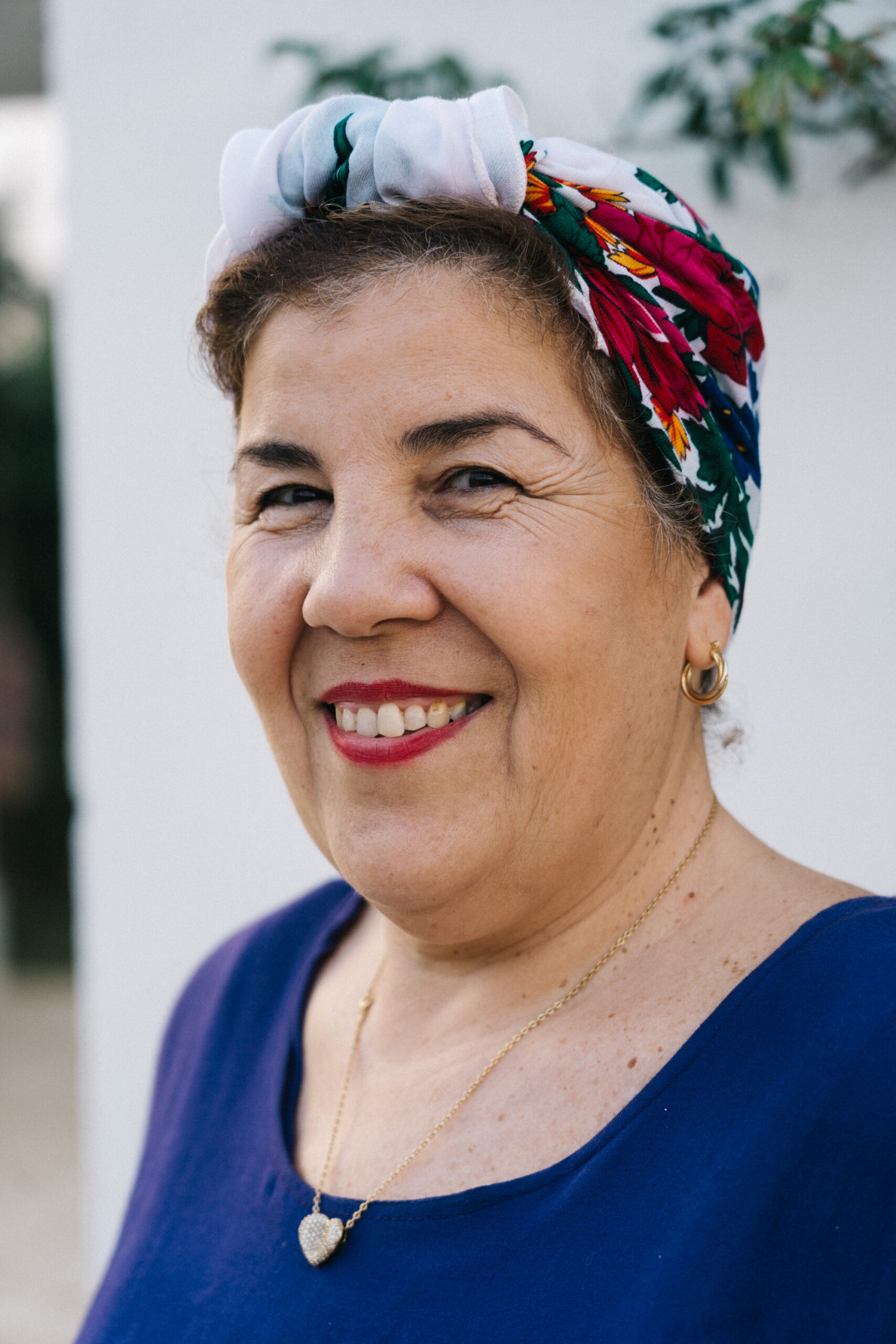
Lamia Temimi featured in Mediterranea book
“What I especially love about this book is how it shares our mission of celebrating the diverse culinary heritage of the Mediterranean,” said Jamie Furniss. “The rich cultural exchanges that have shaped the region, and the family histories that transcend modern borders, really come through in this book. Anastasia deserves great credit for having included the southern and eastern Mediterranean, which are often overlooked in favour of the northern shore.” « We are honoured to contribute to a project that celebrates the people and traditions behind Mediterranean cooking, » said Lamia Temimi. « These recipes are part of our shared heritage, carrying stories of migration, memory and belonging. »